If you want a Wilmington location that makes daily life feel easier, Midtown is often the part of town people talk about first. It sits in that practical middle ground where errands, dining out, outdoor time, and beach plans can all fit into the same week without feeling like a production. For buyers exploring the Millbrook to Masonboro Loop area, understanding how Midtown works day to day can help you picture what living here is really like. Let’s dive in.
What Midtown Wilmington Means
Midtown Wilmington is more of a local lifestyle label than a formally mapped district. Local reporting notes that the name has grown around Hanover Center and is commonly used in business names and signage, even though there are no official municipal boundaries that define it.
In practical terms, Midtown usually points to the central corridor around Oleander, Independence, Barclay, Shipyard, and nearby streets. For you as a buyer, that matters because it helps explain why people use the term so often when describing a location that feels connected to downtown, the beaches, and Wilmington’s southern residential areas.
Why Everyday Access Stands Out
One of Midtown’s biggest advantages is convenience. If you live near Millbrook or Masonboro Loop, you are positioned near major roads, shopping corridors, recreation spots, and routes that connect different parts of Wilmington without relying on a single destination hub.
That central access shapes how daily life feels. Instead of planning your week around one main street or one town center, you are more likely to move between a series of nearby nodes for groceries, workouts, dining, appointments, and weekend plans.
Getting Around Midtown
Midtown is unusually well connected by transit for a midsize coastal city. Wave Transit routes serving the broader area include Route 106 on Independence Boulevard, Route 107 on College Road, Route 109 on College Road and the medical center, Route 205 on Greenfield-Shipyard, Route 206 on Oleander Drive, and Route 210 on Greenfield-17th Street.
That does not mean every routine in Midtown is car-free. In fact, the area still tends to work best if you use a car for much of your day-to-day travel, but the transit network adds another option for getting to shopping areas, medical corridors, downtown, and other parts of the city.
Walking and biking options
Wilmington also offers a growing network for walking and biking. The city highlights the Gary Shell Cross City Trail, the River to Sea Bikeway, and the Riverwalk as part of its broader active transportation system.
For the southern Midtown area, the Masonboro Loop Trail project adds helpful local context. The project includes a 1.4-mile multi-use path designed to connect nearby neighborhoods to Masonboro Station and Masonboro Commons, which supports more day-to-day movement without always getting in the car.
Beach Access From Midtown
Living in Midtown can make beach days easier to work into a normal routine. Wrightsville Beach describes itself as about a 20-minute drive from Wilmington, while Carolina Beach is about 15 miles from Wilmington and is typically reached by way of South College Road and Carolina Beach Road.
That kind of access is part of Midtown’s appeal. You can enjoy a central in-town location for workweek convenience while still keeping the coast within easy reach for morning walks, dinner by the water, or a quick weekend outing.
What to expect in summer
Beach convenience also comes with a few practical details. Both Wrightsville Beach and Carolina Beach use seasonal paid parking, which can shape weekend timing and summer routines.
If you are thinking about everyday living rather than vacation-only use, that is a helpful reminder that proximity is valuable, but planning still matters during peak months. Many buyers see that as a worthwhile tradeoff for being near both city amenities and the shoreline.
Errands, Dining, and Entertainment
Midtown is built around daily convenience, and that shows up clearly in its commercial centers. Independence Mall on Oleander Drive is described as a shopping village with major department stores, specialty stores, and dining options, making it one of the area’s most established errand hubs.
The Pointe at Barclay adds another layer to that routine. Located at Independence Boulevard and South 17th Street, it is presented as a dining and entertainment destination with a movie theater, restaurants, and retailers.
For you, that means weekday errands and weekend plans can often happen in the same part of town. You are not choosing between practical access and a more enjoyable lifestyle mix. In Midtown, those things often overlap.
Parks and Outdoor Time
Outdoor access is another reason Midtown works well for everyday living. Even if your schedule is full, there are several easy ways to fit in a walk, time outside, or a quieter afternoon close to home.
The New Hanover County Arboretum on Oleander Drive offers seven acres of gardens, is open daily year-round, and has free admission. It is a simple, low-pressure option when you want a peaceful setting without committing to a full outing.
Halyburton Park adds a larger natural setting with 60 acres, about 70% of it undeveloped. It also includes a 1.3-mile paved accessible path and connects to the Gary Shell Cross City Trail, which makes it useful for both short walks and longer active routines.
Greenfield Park expands those options even more. The park includes 250 acres, a 4.8-mile paved walking and biking path, kayak rentals, an amphitheater, and a setting known for birding.
Across Wilmington, the city says it maintains more than 40 parks and 32 miles of trails. That broader network supports the idea that Midtown living is not just about being central. It is also about having practical access to outdoor spaces throughout the week.
Downtown Is Part of the Routine
One of the more underrated aspects of Midtown living is how close downtown can feel. For many residents, downtown Wilmington is not saved only for special occasions. It can be part of a normal Friday evening, a casual lunch, or a Saturday with no set agenda.
The city’s Riverwalk stretches 1.75 miles along the Cape Fear River and provides access to parks, shopping, dining, museums, and riverfront views. From Midtown, that makes downtown feel like an easy extension of your lifestyle rather than a separate destination.
Housing Styles Around Midtown
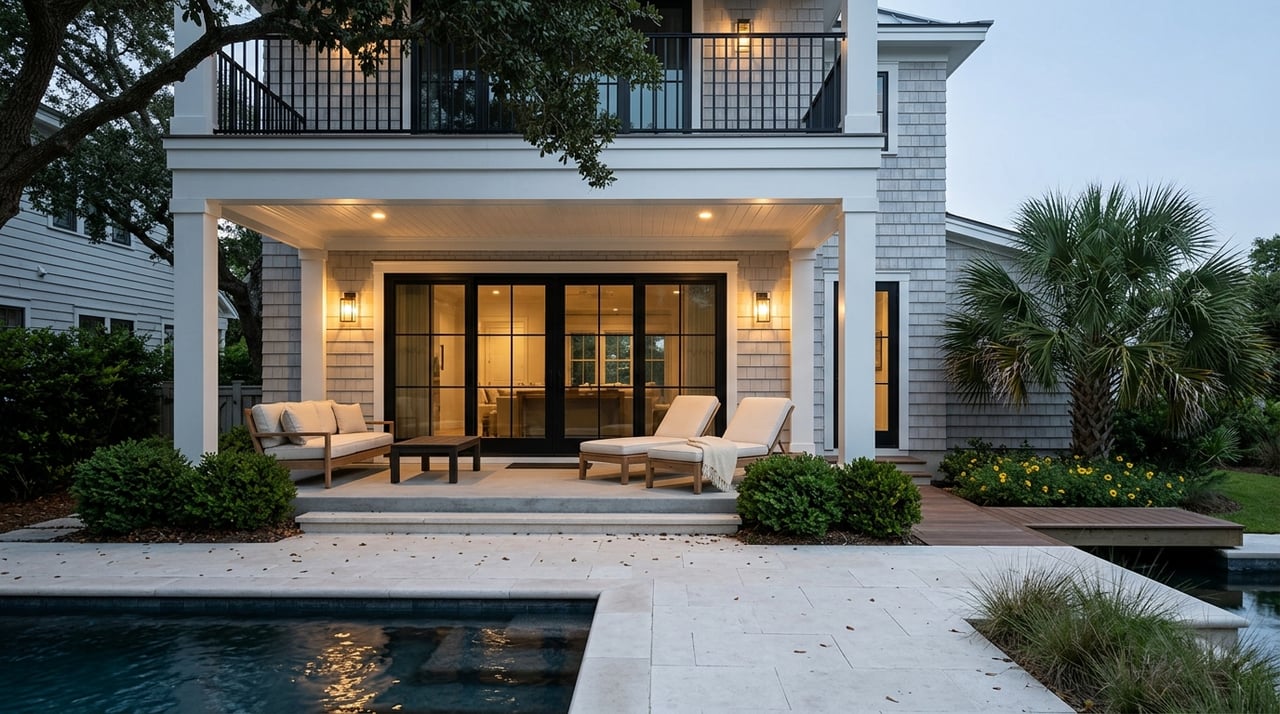
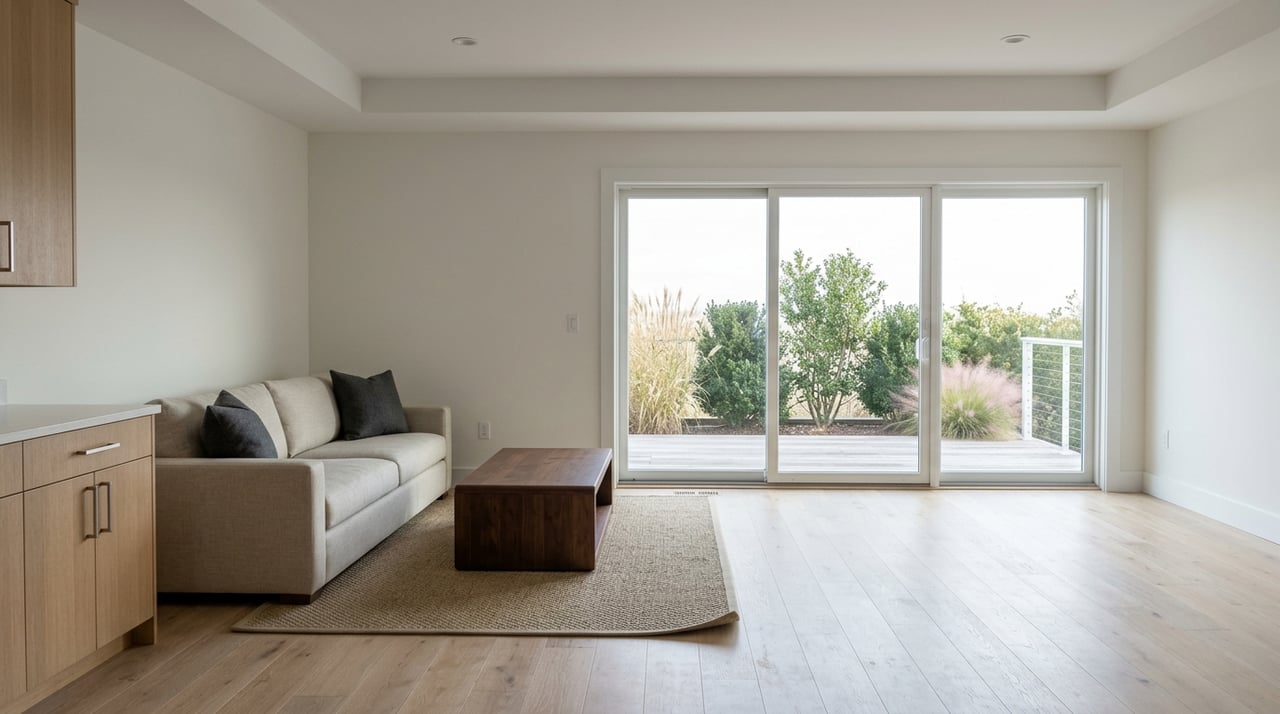
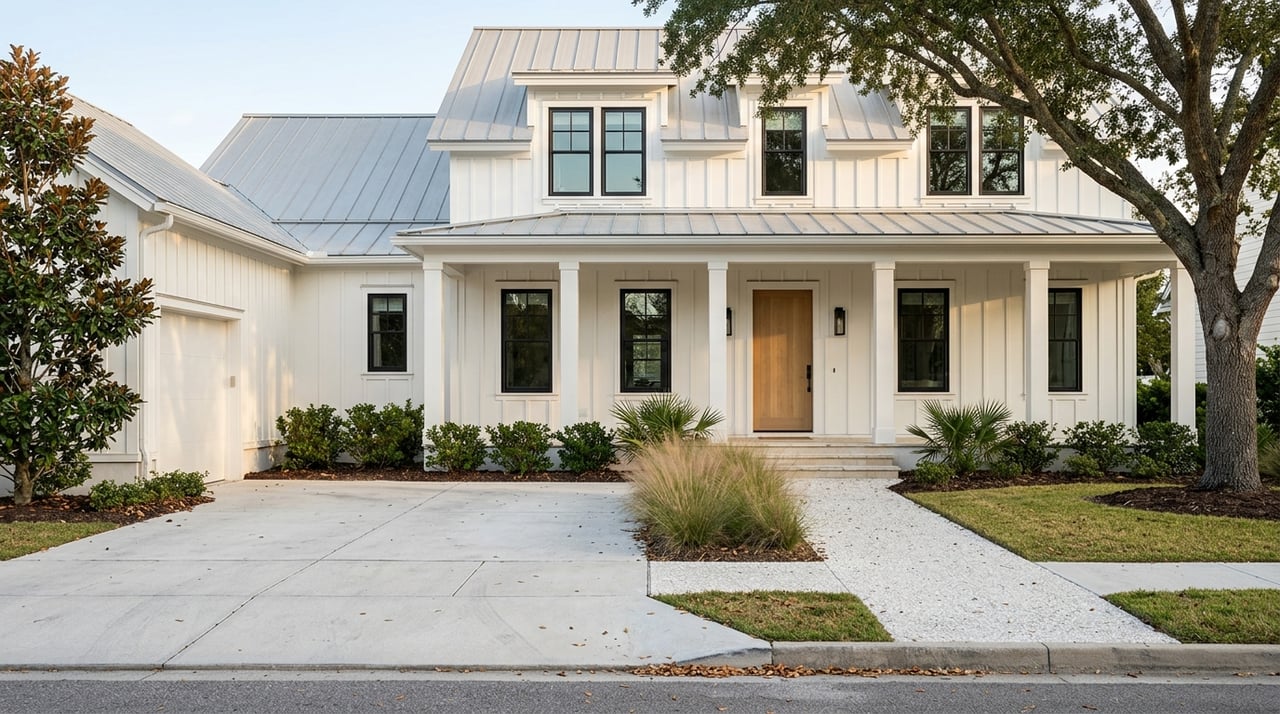
The Midtown orbit offers a wide housing mix, and that flexibility is part of its appeal. Depending on where you focus your search, you may find older homes with architectural character, more traditional residential settings, or newer townhome and mixed-use options tied to growing neighborhood nodes.
That range can be especially useful if you are still refining your priorities. Some buyers want established streets and historic details, while others prefer lower-maintenance living or newer construction near retail and services.
Established neighborhoods and historic context
The city identifies Carolina Place, Carolina Heights, Brookwood, Westbrook-Ardmore, Sunset Park, and Masonboro Sound among its historic districts. It also lists the Carolina Heights/Winoca Terrace overlay as a local historic district.
If you are considering property in a local historic district or overlay, exterior changes may require a Certificate of Appropriateness. That is not a drawback for every buyer, but it is an important detail to understand early if you are weighing renovation plans.
The city also notes that Carolina Place and Carolina Heights developed as early streetcar suburbs. Its design standards describe Carolina Heights/Winoca Terrace as a turn-of-the-century streetcar suburb with larger lots, deep setbacks, and a variety of 20th-century architectural styles.
Masonboro Sound and coastal character
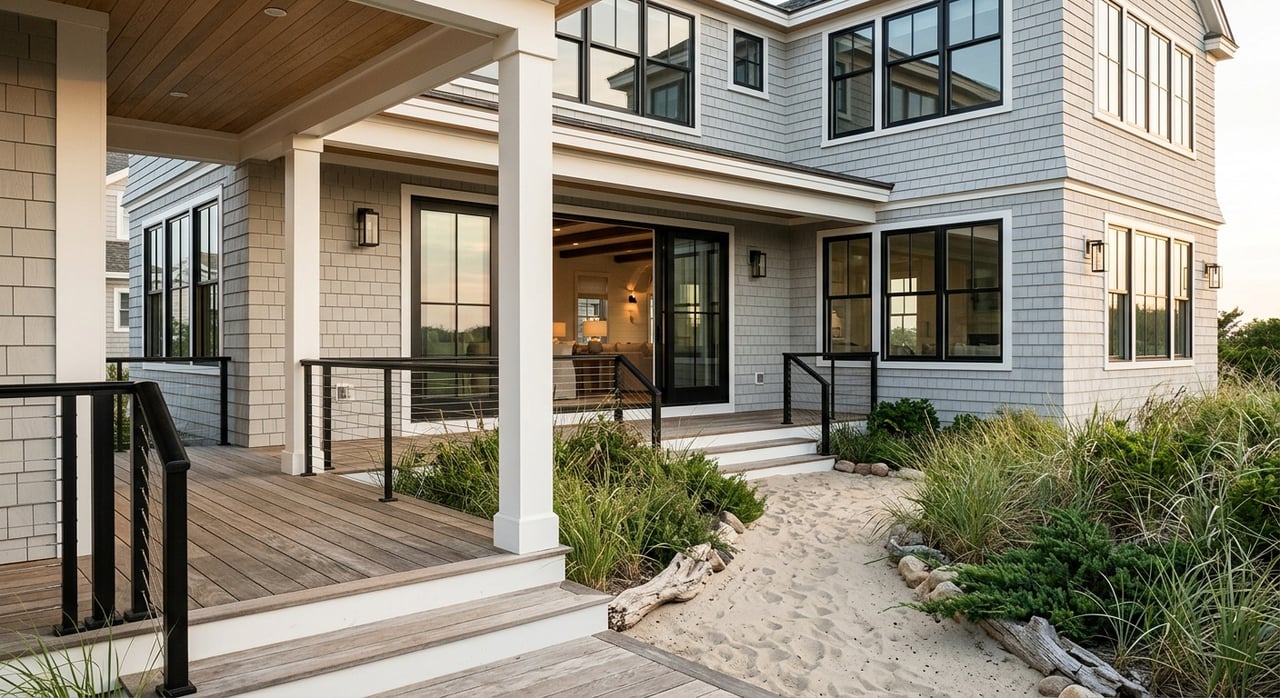
Toward the eastern side of the market, Masonboro Sound brings a more coastal residential feel. The city places the district along the Intracoastal Waterway on Wilmington’s eastern edge, and its landmark materials describe one historic property there as a summer-cottage site with one of the oldest remaining houses along the sound.
For you, that suggests a different living experience from denser in-town areas. The character here tends to feel more traditional and coastal, with a setting that can appeal to buyers who want a residential atmosphere closer to the water.
Newer growth near neighborhood nodes
City planning documents also point to newer development activity in parts of the Midtown area. Recent materials show multifamily residential proposals near Independence Boulevard and Oleander Drive, while growth strategy documents describe Masonboro Loop and nearby intersections as neighborhood nodes that combine retail, townhomes, and pedestrian connections to surrounding lower-density neighborhoods.
In real terms, that means your housing options may span historic cottages, bungalows, newer townhomes, apartments, and mixed-use enclaves. Midtown is not one-note, and that variety is a big part of why it appeals to such a wide range of buyers.
What Living Here Feels Like
If you are trying to picture everyday life in Midtown Wilmington, think of it as flexible and connected. You can run errands efficiently, meet friends for dinner, spend time outdoors, and still keep downtown and the beaches within reach.
The tradeoff is that Midtown is still corridor-driven. Rather than revolving around one highly walkable central district, it often works best when you are comfortable moving among nearby commercial and residential pockets.
For many buyers in the Millbrook to Masonboro Loop area, that balance is exactly the point. You get access, variety, and a location that supports real daily living, not just occasional outings.
If you are considering a move in Midtown Wilmington or the broader Masonboro Loop area, working with a local broker who understands both lifestyle fit and property strategy can make your search much clearer. To request a complimentary home valuation or schedule a private consultation, connect with Happy Clark.
FAQs
What is Midtown Wilmington in practical terms?
- Midtown Wilmington is an informal local label rather than an officially mapped district, and it generally refers to the central corridor around Oleander, Independence, Barclay, Shipyard, and nearby streets.
How do you get around Midtown Wilmington day to day?
- Midtown is served by several Wave Transit routes and has access to Wilmington’s walking and biking network, but many daily routines still work best with a car because the area is organized around connected corridors and nearby nodes.
What parks are near Midtown Wilmington?
- Nearby options include the New Hanover County Arboretum, Halyburton Park, and Greenfield Park, along with citywide access to more than 40 parks and 32 miles of trails.
What is beach access like from Midtown Wilmington?
- Wrightsville Beach is described as about a 20-minute drive from Wilmington, and Carolina Beach is about 15 miles away, making beach trips realistic for regular routines as well as weekends.
What kinds of homes can you find around Midtown Wilmington?
- Buyers may find a mix of historic districts, older character homes, coastal residential areas such as Masonboro Sound, and newer townhomes, apartments, and mixed-use development near growing neighborhood nodes.