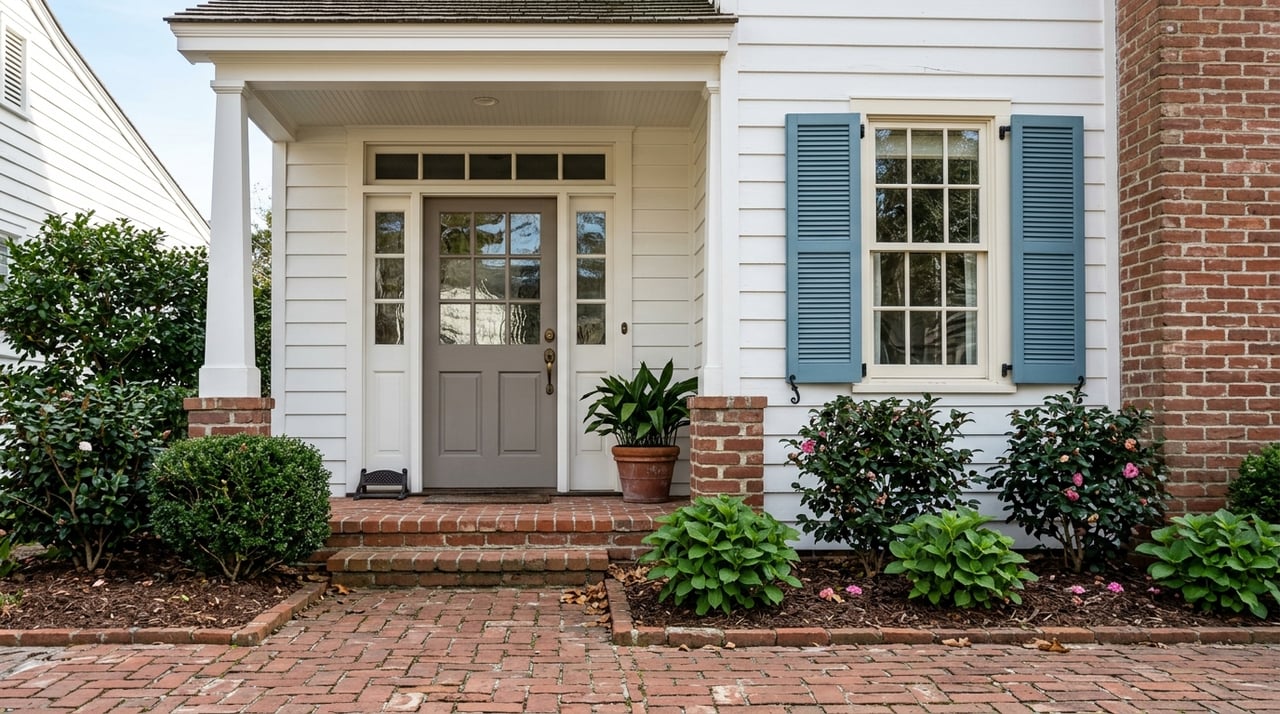
Wondering if a historic home in downtown Wilmington is a dream find or a renovation puzzle? The truth is, it can be both. If you love original character, walkable downtown streets, and homes with real architectural presence, buying in Wilmington’s historic core can be incredibly rewarding, but it also comes with rules, maintenance needs, and planning decisions you should understand before you buy. Let’s dive in.
What makes a home historic downtown
Downtown Wilmington sits within a layered preservation system that includes local historic districts, local overlays, and separate National Register districts. The Wilmington Historic District covers roughly 300 blocks and includes the original 1733 street plan, which gives the area much of its long-standing character.
For you as a buyer, the key difference is practical. If a home is in a local historic district, exterior work usually requires a Certificate of Appropriateness, often called a COA. If a property is only listed in the National Register, that alone does not trigger city review unless the home is also inside a local district.
In the Downtown Commercial Historic District Overlay, the city generally reviews only work that is visible from public rights-of-way. That means not every project gets the same level of review, and many decisions depend on where the property sits and what part of the exterior you want to change.
How Wilmington reviews exterior changes
Many buyers worry that owning a historic home means you cannot make updates. In reality, Wilmington’s process is more about exterior compatibility than forcing one exact architectural style.
Minor exterior items may be approved administratively. Larger exterior changes typically go before the Historic Preservation Commission. That process matters if you are thinking about window changes, porch work, masonry repairs, roof features, or other visible updates.
This is one reason due diligence matters so much before closing. You want to understand not just the home’s condition, but also what kind of approval process your future plans may require.
Historic styles you may see
Downtown Wilmington’s historic homes and buildings span from the mid-18th century to the mid-20th century. Across the area, the city identifies common styles such as Georgian, Greek Revival, Gothic Revival, Italianate, Queen Anne, Folk Victorian, Craftsman Bungalow, Colonial Revival, Four Square, and Tudor Revival.
On residential streets, you may notice wood siding, clapboards, decorative shingles, bracketed cornices, porches, transoms, sidelights, dormers, hipped roofs, brick piers, and prominent chimneys. In commercial areas, historic character often shows up through brick and masonry façades, cast iron storefronts, elaborate cornices, stone-capped parapets, rusticated sandstone, glazed terracotta, and restored warehouse buildings.
These details are not just aesthetic. Original materials and proportions often shape both the value and the cost of ownership. If previous alterations removed windows, siding, trim, porches, or masonry details, restoring them can materially affect your renovation budget.
Why character can change your budget
Historic homes often win buyers over with craftsmanship you do not see in many newer properties. At the same time, that charm can come with more upkeep, more specialized repair methods, and more planning around exterior work.
A home may still show beautifully even after years of changes, but what looks simple at first glance may involve more than cosmetic updates. Rebuilding missing porch details, repairing older masonry, or restoring wood windows can cost more than standard replacement work.
That does not mean you should avoid these homes. It means you should buy with a clear eye, a realistic budget, and a plan that respects both the property and the city’s preservation standards.
Inspections to prioritize before closing
With older homes in downtown Wilmington, a general inspection is only the starting point. You will want close attention on the systems and exterior elements that most often show wear over time.
Roofs, gutters, and chimneys
Historic homes should be checked carefully for roof condition, flashing, gutter performance, downspouts, and chimney stability. The city’s standards emphasize that clogged gutters and failing drainage can push moisture into walls and cornices, which can accelerate deterioration.
Foundations and drainage
Standing water, poor grading, blocked foundation vents, and overgrown vegetation can all contribute to damage. You should pay close attention to moisture control, venting, and drainage around the foundation, especially in an older coastal city where water management can affect long-term maintenance.
Wood rot and exterior trim
Rot can affect windows, doors, siding, porch columns, and trim. The good news is that early-stage deterioration is often repairable, which matters because preservation standards generally favor repair over full replacement.
Lead paint and asbestos concerns
Older homes are more likely to contain lead-based paint, especially if they were built before 1978. If renovation work may disturb painted surfaces, using lead-safe contractors is an important step.
If suspect materials such as old floor tile, ceiling tile, or pipe wrap may be disturbed, a trained asbestos professional should evaluate them. This is especially relevant if you are planning updates soon after closing.
Floodplain status and insurance planning
Floodplain status can affect maintenance planning, renovation decisions, and insurance costs. In Wilmington, zoning staff handle floodplain determinations, so this is a smart item to clarify during your due diligence period rather than after you own the home.
Smart updates for a historic home
The best historic-home updates usually follow one simple idea: repair when possible, and keep changes compatible with the home’s character. That approach can help you protect the property’s appearance while also avoiding unnecessary replacement costs.
Wilmington’s standards favor repairing original windows before replacing them. Weatherizing with caulk, weatherstripping, and properly sized storm windows or storm doors may improve comfort while preserving historic materials.
The city also cautions against certain shortcuts. Vinyl or aluminum slipcovers, sandblasting historic masonry, waterproof coatings used instead of proper repointing, and adding roof or façade features that were not historically present can create problems for both the building and future approvals.
Tax credits and incentive basics
If you plan to owner-occupy the home, North Carolina offers a potentially valuable incentive. Current guidance from the State Historic Preservation Office says homeowners may receive a 15% state tax credit for qualified rehabilitation of owner-occupied residential properties when specific requirements are met.
Those requirements include the property being individually listed in the National Register or contributing to a National Register historic district, rehabilitation expenses exceeding $10,000 within 24 months, and work following the Secretary of the Interior’s Standards. The state also advises owners to consult before beginning work.
One detail matters here. The federal historic rehabilitation tax credit is for income-producing properties, not private residences. So if you plan to live in the home yourself, the North Carolina credit is generally the more relevant incentive to explore.
What historic status means for resale
Buyers often ask whether historic designation automatically boosts value. The research is more nuanced than that.
Studies often find positive or at least non-negative effects on property values in historic districts, but the size of any effect varies by neighborhood, market conditions, and how restrictive the designation is. In other words, historic character can support resale appeal, but it should not be treated as a guaranteed premium.
What often matters more is the combination of location, condition, authenticity, and how thoughtfully the home has been maintained or updated. A well-cared-for historic property with strong curb appeal and a sensible improvement history tends to tell a better story when it returns to market.
Is a downtown historic home right for you
Buying a historic home in downtown Wilmington is usually a tradeoff between character and complexity. You may get craftsmanship, architectural detail, and a strong sense of place, but you should also expect more attention to maintenance, inspections, and approved renovation methods.
If that balance fits your goals, these homes can be deeply rewarding to own. The smoothest experiences usually come from buyers who understand the rules early, budget for preservation-minded repairs, and approach the process with patience and strategy.
If you are considering a historic home in downtown Wilmington and want one-on-one guidance through the buying process, schedule a private consultation with Happy Clark.
FAQs
What makes a home historic in downtown Wilmington?
- A downtown Wilmington home may fall within a local historic district, a local overlay, a National Register district, or more than one of these categories. For buyers, the biggest practical issue is whether local rules apply to exterior changes.
What is a Certificate of Appropriateness in Wilmington?
- A Certificate of Appropriateness, or COA, is the city’s review process for certain exterior changes in local historic districts. Minor work may be approved administratively, while major work may go to the Historic Preservation Commission.
What should you inspect before buying a historic home in Wilmington?
- Focus on the roof, flashing, gutters, downspouts, chimneys, foundation drainage, moisture control, wood rot, exterior trim, and floodplain status. If renovation is planned, lead paint and possible asbestos-containing materials also deserve attention.
Can you update windows in a Wilmington historic home?
- Yes, but Wilmington’s standards generally favor repairing original windows before replacing them. Weatherization measures such as caulk, weatherstripping, and properly sized storm windows may be a more compatible option.
Do historic homes in downtown Wilmington qualify for tax credits?
- Some owner-occupied homes may qualify for North Carolina’s 15% state historic rehabilitation tax credit if they meet the state’s eligibility and project requirements. The federal historic rehabilitation tax credit applies to income-producing properties, not private residences.
Does historic designation increase resale value in Wilmington?
- Historic designation can support resale appeal, but it does not automatically create a price premium. Value effects vary based on location, condition, market conditions, and the nature of the designation.
