Dreaming of a private coastal retreat where serenity, security, and salt air set the pace? Figure Eight Island offers exactly that, with guarded access, no commercial districts, and a small number of homes that create lasting value and privacy. If you are considering a purchase here, you want a clear view of pricing, access, flood and insurance realities, and how to compete when the right home appears. In this guide, you will learn what to expect, what to verify, and how to move with confidence when an opportunity opens up on the island. Let’s dive in.
Figure Eight at a glance
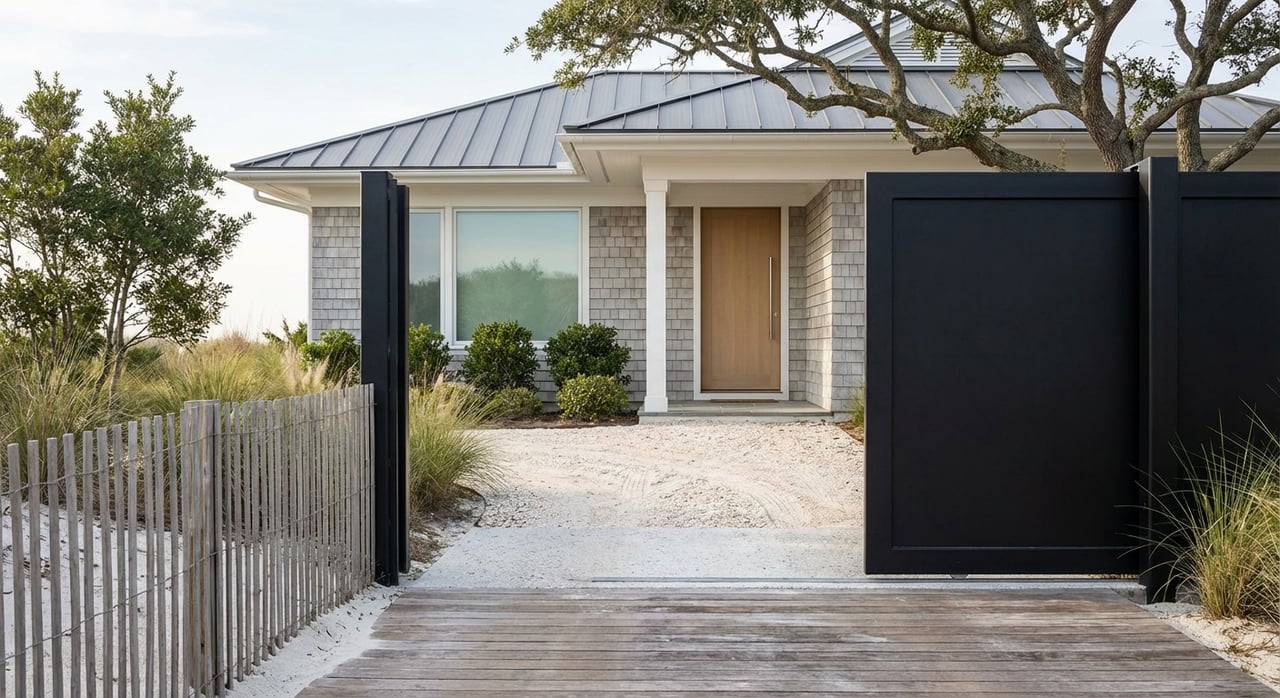
Figure Eight Island is a private barrier island just north of Wrightsville Beach and part of the greater Wilmington area. It is reached by boat or a guarded swing bridge with manned access, which keeps traffic low and the community private year-round. The island spans roughly 1,300 acres with about 450 to 475 single-family parcels. That small housing stock is a primary reason inventory stays tight and competition can be intense. Learn more about the island’s setting and access.
There are no commercial businesses on the island. Daily life centers on the beach, the Intracoastal Waterway, and community common areas. Residents often participate in the Figure Eight Island Yacht Club, use the private marina and boat ramps, and rely on local property managers for seasonal rental programs. The island overview from the community’s site provides helpful context on lifestyle and amenities. Explore the island’s overview.
What homes cost
Figure Eight Island is a luxury coastal market with prices that reflect scarce supply and premium waterfront positioning. Recent market snapshots place median prices firmly in the multi-million-dollar range. Because the number of monthly sales is small, medians can swing a lot from one month to the next. Treat them as signals, not absolutes.
You will find a broad price spectrum:
- Entry and smaller cottages or more inland locations can start in the low to mid seven figures.
- Typical move-up vacation homes often sit in the mid to high seven figures and into the low eight figures.
- Premium oceanfront or inlet estates can reach the high single digits to low double digits, with select trophy properties trading higher.
Public reporting in 2024 and 2025 highlighted several top-end sales that show the island’s ceiling, including closings above eight figures. Those examples are rare but confirm that true trophy properties do exist and trade infrequently. If you want a deeper snapshot of notable high-end sales in the area, you can review local coverage of Wilmington’s top transactions from 2025 for context. See a representative roundup of high-end closings.
Access and showing logistics
The island’s guarded bridge is central to the lifestyle and shapes how showings work. Expect your agent to coordinate gate registration and visitor access ahead of time. Short-notice showings are possible but are smoother when scheduled with the bridge procedures in mind. This same access control keeps drive-by traffic low and preserves the quiet feel that draws many buyers. Read more about guarded access.
HOA, Yacht Club, and marina points
The island operates through an owners association that manages common areas and rules. Many listings reference the Figure Eight Island Yacht Club and whether a charter or warrant membership may convey with the home. That detail matters. Yacht Club access and any marina slip waitlist have real lifestyle and dollar value, so verify exactly what conveys, what paperwork is required, and any transfer timelines. The island site provides helpful context on the community and club activities. Review island community details.
Permits, septic, and building on the coast
Many parcels rely on permitted onsite wastewater systems. When you evaluate a home or lot, confirm whether the property is on septic or connected to a public system, and obtain copies of septic permits and maintenance records. New Hanover County Environmental Health is a good starting point for septic questions and document requests. Check county Environmental Health resources.
Oceanfront and inlet-facing projects must follow North Carolina’s coastal rules. Dune setbacks, primary frontal dune protections, and shoreline work such as bulkheads are regulated. Before you plan a renovation or rebuild, verify the property’s permitting and setback history, and understand what is possible within current rules. The state’s Coastal Management division and public meeting records provide valuable background. See North Carolina Coastal Management resources.
Flood, wind, and insurance essentials
Barrier islands carry higher exposure to flood and wind. Most of Figure Eight is mapped in FEMA Special Flood Hazard Areas, and many parcels sit in coastal high-hazard zones like V or VE. These zones come with stricter building standards such as elevated pile foundations and specific rules for any enclosed space below the lowest floor. Ask for the property’s Elevation Certificate if available and verify the parcel’s regulatory zone and base flood elevation on FEMA’s official portal. Use the FEMA Flood Map Service Center.
Insurance planning is critical. Flood insurance is typically mandatory for financed purchases in mapped flood zones. Wind and hurricane coverage for exposed coastal properties often carries higher premiums, storm deductibles, and may require specialized carriers. Get quotes during due diligence, not after. That way you can confirm coverage, deductibles, and lender requirements before you remove contingencies.
Finally, keep long-term coastal dynamics in view. Sea level in the Wilmington region has risen over recent decades, which makes elevation, dune condition, and shoreline resilience important factors. A property that has been thoughtfully elevated and maintained may offer more stability over time. Read a state climate overview on our coastline.
How to compete in a tight market
Two things are usually true at once on Figure Eight: public inventory is low, and the best homes can move fast. To compete well:
- Prepare proof of funds or a strong pre-approval so you can act quickly.
- Work with a local agent who understands off-market chatter and gate logistics.
- Set clear decision timelines in advance, especially if you live out of state.
- If financing, confirm your lender is comfortable with coastal properties and any escrow for flood and wind premiums. Cash can be a competitive advantage at the top end.
A typical buying timeline
- Identification and soft hold, 1 to 3 weeks. Your agent coordinates guarded-bridge passes and showings. Sellers may require gate registration for all visitors. See the island’s overview for access context.
- Offer and negotiation, days to 2 weeks. Well-prepared buyers with funds in hand and clear timelines tend to win, especially on trophy homes that attract multiple parties.
- Due diligence, 2 to 6+ weeks. Inspections, insurance quotes, HOA and yacht club review, septic records, dock and bulkhead review, and permitting history. Budget more time if significant coastal work or permits are in play.
- Closing and post-close, 2 to 6 weeks. Title, funding, and any membership transfer paperwork can add steps. Cash closings may move faster.
Inspection focus for coastal homes
Figure Eight homes face salt, wind, and water. Bring in inspectors with coastal experience and plan for specialty evaluations when needed:
- Structural and pilings, including connections and corrosion.
- Roof, windows, doors, and exterior cladding for wind and salt exposure.
- Dock, pier, and bulkhead condition, plus permits and prior repairs.
- Septic system functionality and permit history.
- Dune setback, CAMA records, and any shoreline stabilization history.
- Mechanical systems and metals for salt-air corrosion.
For construction and resilience best practices, it helps to review federal guidance on flood-resistant building envelopes so you know what to look for and what upgrades may be worthwhile. See this summary of flood-resistant building guidance.
Buyer document checklist
Use this list to organize your due diligence and reduce surprises:
- Current MLS listing, plus any off-market intelligence from your agent.
- Seller’s insurance declarations for flood and wind, plus claims history.
- FEMA flood determination and any Elevation Certificate. Verify flood maps and zones.
- Septic permits and maintenance records from New Hanover County Environmental Health. Start with county resources.
- HOA covenants and yacht club warrant or charter documentation with transfer terms.
- Recent inspection reports, or commission new ones: structural, piling, dock and bulkhead, and a coastal-focused home inspection. Review flood-resilient building guidance.
- Permitting and setback history, including any CAMA approvals. Check state coastal management records.
The bottom line
Buying on Figure Eight Island is about timing, preparation, and clarity. The island’s privacy, limited housing stock, and premium shoreline settings create strong demand and a wide price range. Your best path is to line up proof of funds or financing, understand the flood and insurance picture early, and partner with a local advisor who knows the access protocols, the Yacht Club and HOA details, and how to spot value in a coastal setting.
If you want a discreet, data-informed plan for your search, we are ready to help you move with confidence. Connect with Happy Clark to request a complimentary valuation, see curated opportunities, or schedule a private consultation.
FAQs
What makes Figure Eight Island different from other NC beaches?
- It is a private, gated barrier island with a guarded swing bridge, no commercial districts, and a small number of single-family homes, which keeps traffic low and inventory tight.
How much do homes on Figure Eight Island typically cost?
- Prices range from the low to mid seven figures for smaller or inland homes to the high seven and eight figures for premium oceanfront and inlet estates, with rare trophy sales above that level.
What should I know about flood zones and building rules on the island?
- Many parcels are in FEMA Special Flood Hazard Areas, often V or VE zones, which require elevated construction and specific rules for enclosed space below the lowest floor; verify details on FEMA’s map portal and with local permitting.
How does Yacht Club membership work when buying a home?
- Some sales include a transferable warrant or charter that allows the buyer to join the Figure Eight Island Yacht Club; confirm what conveys, any waitlists, and transfer paperwork during due diligence.
Which inspections are most important for a coastal home on Figure Eight?
- In addition to a full home inspection, prioritize specialists for pilings and structure, roof and exterior envelopes, dock and bulkhead, and septic systems, plus a permit and shoreline review to confirm compliance.