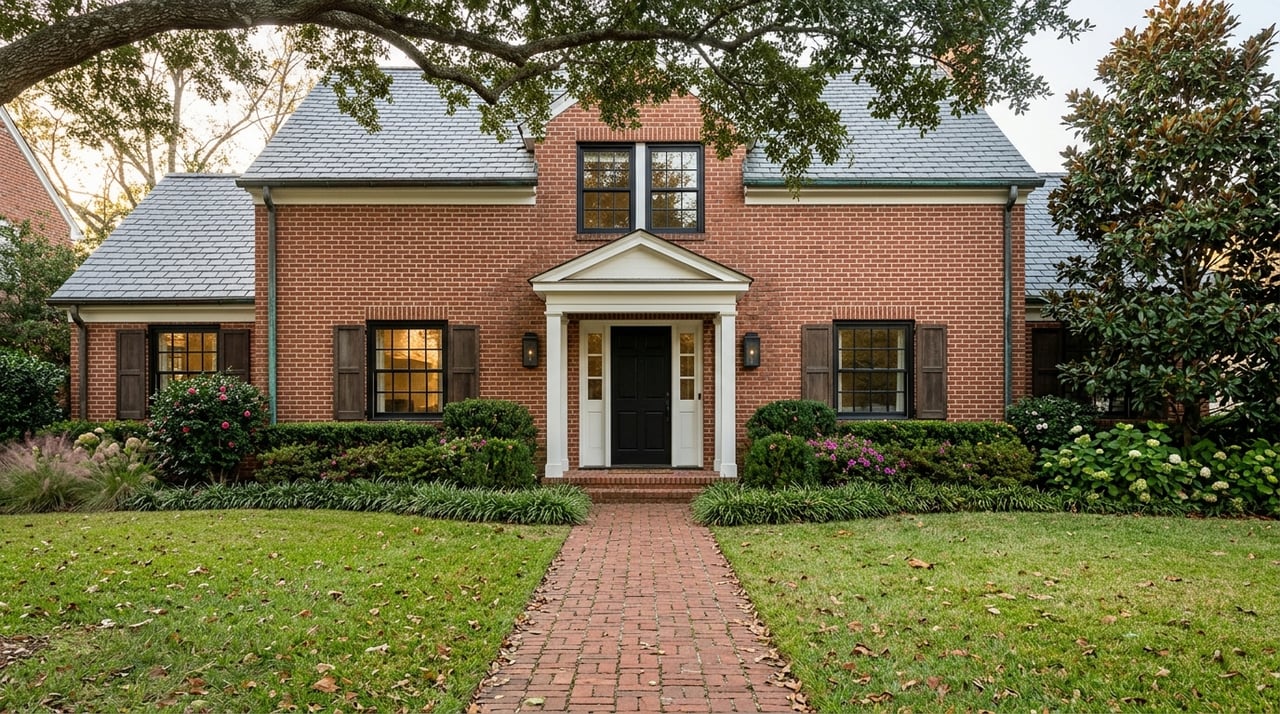
Looking for a Wilmington neighborhood that feels established, distinctive, and still practical for the way you live today? Forest Hills and the Oleander corridor stand out because they offer more than older homes. They bring together curving streets, generous lots, mature trees, and architecture that still feels grounded in place. If you are drawn to historic character but want modern comfort, this area gives you a lot to consider. Let’s dive in.
Why Forest Hills and Oleander Stand Out
Forest Hills and the broader Oleander corridor reflect Wilmington’s trolley-car suburb era, a planning style that shaped neighborhoods around a more landscaped, residential feel. According to the City of Wilmington historic district design standards, Forest Hills is recognized among the city’s trolley car suburbs.
That history matters because the neighborhood’s appeal is not just about home age. It is also about how the streets curve, how homes sit back on their lots, and how natural features like rolling topography, woodlands, and Burnt Mill Creek help create a more layered setting. The National Register documentation for the surrounding historic context supports that broader pattern.
Historic Character You Can Feel
One of the first things you notice in Forest Hills and around Oleander is that the landscape and architecture work together. Larger lots, mature canopy, and established setbacks create a sense of rhythm from one block to the next. That is a big part of why these streets feel so memorable.
The city’s design standards describe common architectural language found in Wilmington’s trolley suburbs, including Georgian, Federal, Neoclassical, Tudor, Mediterranean, and Prairie influences. In practical terms, that often means features like broad rooflines, porches, dormers, chimneys, and durable traditional materials that continue to define the streetscape today.
Mature Trees Are Part of the Appeal
In Forest Hills and the Oleander corridor, landscaping is not background scenery. It is part of the neighborhood identity. Mature trees help frame homes, soften the streetscape, and reinforce the in-town suburban feel that makes this area different from more recently built neighborhoods.
The city’s standards emphasize the importance of keeping healthy mature trees intact and selecting landscape elements that fit Wilmington’s climate and soils. The city also recognizes significant trees through its heritage tree program, including a 2025 heritage-tree entry for a Bald Cypress at 406 Forest Hills Dr., as noted in the historic preservation design standards.
Modern Living in a Historic Setting
What makes this area especially compelling is how well many homes can adapt to current living needs. Buyers often want updated kitchens, improved baths, stronger mechanical systems, and better day-to-day function, but they do not want to lose the proportions and details that made them fall in love with the home in the first place.
That balance is exactly what Wilmington’s preservation guidance supports. The city favors rear additions, smaller-scale massing for new work, and updates that remain identifiable as newer changes rather than copies of the original structure. In other words, the goal is not to erase the past. It is to make the home work better while keeping its original presence visible from the street.
What Thoughtful Updates Look Like
Well-handled modernization in Forest Hills or the Oleander corridor often includes:
- Preserved porches and visible historic façade details
- Additions placed to the rear rather than dominating the front elevation
- Off-street parking tucked to the side or rear and screened from view
- Existing wood windows weatherized before replacement, when feasible
- Mechanical upgrades installed with minimal impact on the building’s character
These principles come directly from the City of Wilmington’s preservation standards.
What Buyers Should Evaluate Carefully
If you are considering an older home in Forest Hills or near Oleander, charm should be only part of your decision. You also want to evaluate how the property functions as a complete system. Older homes can offer lasting quality and character, but they deserve a closer look.
A good review starts with whether the property sits within a local historic district or overlay. The City of Wilmington Historic Preservation Commission notes that exterior changes in local districts and overlays require a Certificate of Appropriateness, while National Register status alone does not create local review unless the property is also inside a local district boundary.
Key Areas to Review
When touring or performing due diligence, pay attention to:
- Roof form and materials
- Window condition
- Foundation and crawlspace behavior
- Drainage away from the structure
- Placement and condition of mature trees
- How decks, garages, pools, driveways, or additions fit the original site plan
These points matter because the city’s standards specifically call for preserving topography, directing water away from foundations, and using compatible details when elevation or floodproofing work is involved.
Why Site Planning Matters So Much
In many neighborhoods, buyers focus mostly on square footage and finishes. In Forest Hills and the Oleander corridor, the larger story is often the site itself. The relationship between the house, the lot, the canopy, and the street can be just as important as what is inside.
That is one reason the strongest candidates often are homes where the original scale, proportions, and landscape still read clearly from the street. Even if interiors have been updated for current living, the exterior experience still tells the original story of the property and the neighborhood.
A Smart Fit for Today’s Buyer
For many buyers, this part of Wilmington offers a compelling middle ground. You can find a home with architectural character and a more established setting, while still benefiting from updates that support modern routines. That combination can be hard to replicate in newer construction.
It also appeals to buyers who value neighborhood identity. Forest Hills and Oleander are not defined by a single house style or a one-note streetscape. Their appeal comes from the way planning, architecture, and landscape come together to create a place that feels collected over time.
What This Means for Your Search
If you are house hunting in Wilmington and want historic charm without giving up modern livability, Forest Hills and the Oleander corridor deserve a close look. The best opportunities are often the homes that have been improved with restraint, where updates support how you live but do not compete with the original design.
That kind of evaluation takes more than a quick online scroll. It helps to understand not just finishes and floor plans, but also district rules, site planning, long-term upkeep, and how a home fits into the broader fabric of the neighborhood.
If you are considering a move in Wilmington and want thoughtful guidance on neighborhoods with lasting character, Happy Clark offers a high-touch, strategic approach tailored to your goals. You can request a complimentary home valuation or schedule a private consultation to talk through the right fit for your next move.
FAQs
What makes Forest Hills and Oleander different from newer Wilmington neighborhoods?
- Forest Hills and the Oleander corridor stand out for their trolley-suburb planning, with curving streets, larger lots, mature trees, and homes that sit within the landscape in a way that feels more established and layered.
What architectural styles are common in Forest Hills and the Oleander corridor?
- Wilmington’s historic design standards identify Georgian, Federal, Neoclassical, Tudor, Mediterranean, and Prairie influences within the city’s trolley-suburb areas, along with features like porches, dormers, chimneys, and broad rooflines.
What should you check before buying an older home in Forest Hills?
- You should review whether the property is in a local historic district or overlay, then assess roof materials, windows, foundation and crawlspace behavior, drainage, mature trees, and whether later additions or site features remain compatible with the original layout.
Do historic homes in Forest Hills allow modern updates?
- Yes, Wilmington’s standards support thoughtful updates such as rear additions, discreet parking placement, porch preservation, weatherizing existing wood windows, and mechanical improvements with minimal visual impact.
Does National Register status change what you can do to a home in Wilmington?
- National Register status alone does not trigger local design review, but properties within local historic districts or overlays may require a Certificate of Appropriateness for exterior alterations, according to the City of Wilmington.
