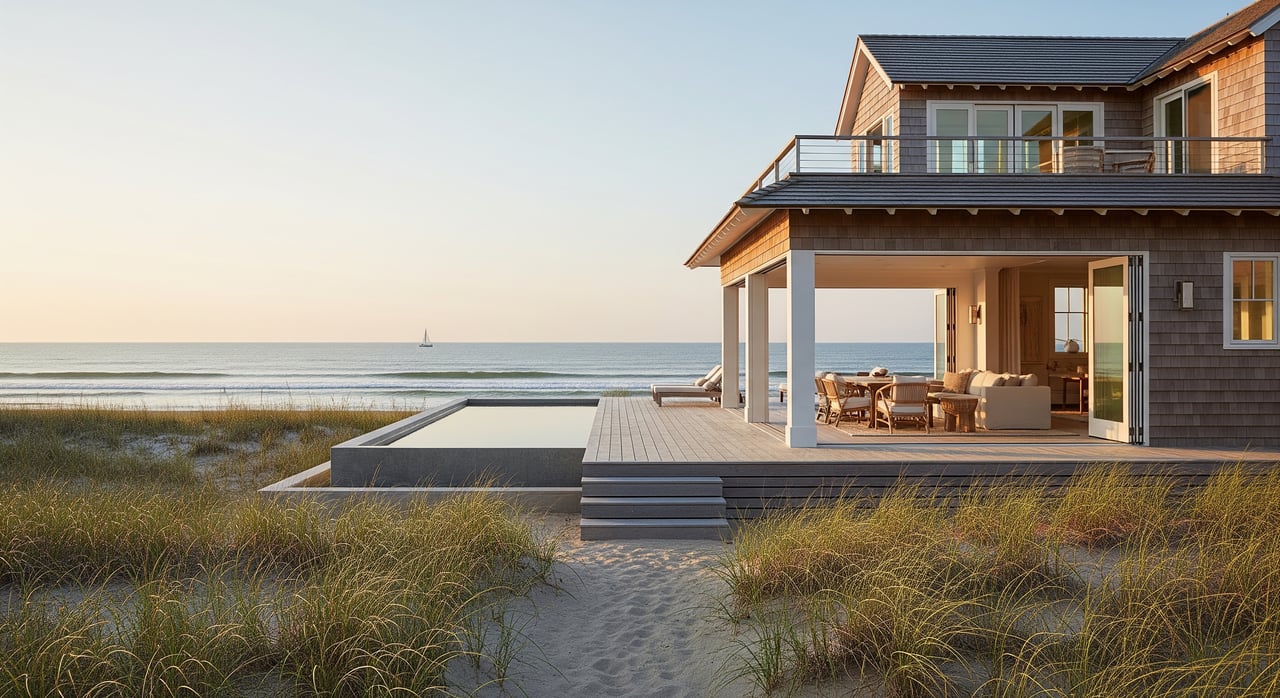
Ever wonder what life really feels like when the tourists go home and the ocean is still just steps away? If you are considering a primary or second home on Wrightsville Beach, it helps to understand the rhythms that shape each season, from lively summer days to calm winter mornings. You want the beach lifestyle, but you also need to factor in access, upkeep, insurance, and daily routines that come with living on a barrier island. This guide walks you through year-round living so you can decide if Wrightsville Beach fits your life. Let’s dive in.
Where Wrightsville Beach fits on the map
Wrightsville Beach sits on a small barrier island in New Hanover County, just across the Intracoastal Waterway from Wilmington. The island is compact and walkable, with neighborhoods and businesses arranged along a short stretch between the waterway and the Atlantic. You get quick access to Wilmington’s larger services while keeping a relaxed, beach-forward pace at home. Many residents pair a coastal lifestyle with easy trips to medical centers, shopping, and the airport on the mainland.
Climate and seasons at a glance
You can expect warm, humid summers and mild winters moderated by the ocean. Summer highs often land in the 80s to 90s Fahrenheit, while winter daytime temperatures commonly fall in the 50s to 60s. The island follows a clear seasonal pattern, with a busy summer, a beloved fall, a quieter winter, and a spring ramp to peak season. Atlantic hurricane season runs from June 1 through November 30, so storm planning is part of life here.
Summer: High energy, high traffic
From Memorial Day to Labor Day, the island hums with activity. Restaurants and bars stay busy, beach access points fill early, and traffic over the causeway can stack up. Parking is tight near the beach, especially on weekends. Many residents plan errands for early mornings or bike and walk to avoid congestion.
Fall: Fewer crowds, ideal weather
Fall brings warm water, milder air, and fewer visitors. It is prime time for surfing, boating, fishing, and paddling. Seasonal homeowners often return to enjoy the calmer vibe and reliable outdoor conditions. Local events and community activities stay active without summer’s intensity.
Winter: Calm days, practical projects
Winter offers quiet streets and open beaches. Many businesses adjust hours, and you will see more maintenance and renovation projects scheduled during this stretch. Mild temperatures make everyday life comfortable, and year-round residents appreciate the slower pace. It is a good season to handle home upkeep and plan upgrades.
Spring: A ramp to peak season
Spring warms quickly, and the island starts to buzz again. Restaurant hours expand, beach days return, and spring break weeks can feel busy. This is the time to tune up boats, check beach gear, and schedule service appointments before summer demand spikes.
Day-to-day life you can expect
Outdoor life takes center stage. Surfing, stand-up paddleboarding, and kayaking are common, especially at dawn and late afternoon when winds are lighter. The Intracoastal Waterway and marinas make boating and fishing part of daily routines for many residents. The island’s compact layout encourages walking and biking for errands, workouts, and dinner outings.
Social life tends to cluster around Lumina Avenue and the waterfront causeway, with a mix of casual spots and seasonal favorites. Local civic life is visible and hands-on. You will find beach cleanups, volunteer organizations, and active town services that keep the island running through every season.
Access, commute, and getting around
Wrightsville Beach connects to the mainland by a causeway and bridge, so driving patterns follow the tide of visitors and work commuters. A typical drive to downtown Wilmington often ranges from about 10 to 25 minutes depending on traffic and time of day. Public transit is limited, so most residents rely on cars, bikes, and walking. Wilmington International Airport is a short drive away for regional and national flights.
Parking is the pressure point in summer. Beach access lots fill early, and residential streets follow town rules that limit or regulate curb parking. If you plan to host guests in peak season, think ahead about parking and timing.
Housing types and what they mean
You will see a wide range of property styles for a small island:
- Oceanfront single-family homes that prioritize views and coastal construction standards.
- Homes on the Intracoastal Waterway or sound sides, often with docks or bulkheads.
- Condominiums and townhouses, from older low-rise buildings to newer luxury options.
- Classic beach cottages and duplexes, many renovated for modern comfort.
- Infill and small-lot development that makes use of limited land.
Cost factors to weigh
Wrightsville Beach typically commands a premium relative to nearby inland areas due to its island location and limited inventory. Short-term rental demand can create income potential for investors and second-home owners, especially in summer, though off-season bookings vary. Insurance is a key part of your budget, since many properties require flood coverage and separate wind or hurricane policies. Condos often include HOA fees that fund building maintenance and shared amenities, and property taxes follow New Hanover County rates.
Flood zones, codes, and permits
Many properties on the island sit in FEMA-designated flood zones, which can influence insurance requirements and lending. Local building codes and coastal regulations guide elevation, foundations, and wind resistance for rebuilds and new construction. If you are considering rental use, review town rules that may cover registration, occupancy, parking, and tax collection. The specifics change over time, so verify details with the town and county.
Schools, childcare, and services
Students on the island attend New Hanover County Schools, and exact assignments depend on district boundaries. Many families choose childcare and preschools in Wilmington since the island is compact with limited options. For healthcare, you are close to major facilities in Wilmington, including emergency and specialist care. Wrightsville Beach maintains its own police and fire services, and lifeguards are a seasonal safeguard along the beachfront.
Utilities and connectivity
Electricity, water, and sewer service are managed through local providers, and some older properties may have septic systems. It is smart to verify what serves a specific address during due diligence. Internet and cell coverage are generally available, but speeds and providers can vary by location, so check options before you buy. Salt air can affect exterior fixtures and equipment, so factor in ongoing maintenance of mechanical systems.
Hurricane season and preparedness
Storms are part of coastal living. Hurricane and tropical-storm risks include wind, storm surge, and coastal flooding. Many year-round residents keep a plan that includes shutters or window protection, elevated utilities if applicable, evacuation routes, and stocked emergency supplies. During storm watches and warnings, follow official guidance from local and state agencies. Planning ahead helps protect people and property.
Maintenance reality of a beach home
Salt air accelerates wear on metal, wood, paint, and HVAC systems. Waterfront structures like docks, seawalls, and riprap often require regular inspections and permits for repair or replacement. Work with contractors who understand coastal conditions and code requirements. A proactive schedule keeps surprises to a minimum and preserves property value.
Here is a simple upkeep rhythm many island owners follow:
- Quarterly: Rinse exterior metals, check fasteners and railings, clean gutters, and inspect decks.
- Biannually: Service HVAC, pressure wash salt residue, and touch up paint or sealant.
- Annually: Inspect roofs, windows, doors, dock pilings, and shoreline stabilization. Review insurance coverage before hurricane season.
Is Wrightsville Beach right for you?
If you want a walkable, ocean-centered lifestyle with quick access to a larger city, Wrightsville Beach is hard to beat. You will balance that with seasonal crowds, higher carrying costs, and the realities of storm readiness and maintenance. Many residents find a happy middle by embracing the local calendar, investing in resilient home features, and timing activities to the island’s natural pace. Whether you see it as your primary address or a part-time retreat, your decision comes down to lifestyle, budget, and comfort with coastal ownership.
Next steps
If Wrightsville Beach fits your goals, your next move is a tailored plan that covers lifestyle fit, property type, flood and insurance considerations, and maintenance strategy. A local advisor can help you compare options, estimate carrying costs, and navigate town rules with confidence. When you are ready, connect with Happy Clark to request a complimentary home valuation or schedule a private consultation.
FAQs
How long is the commute from Wrightsville Beach to Wilmington?
- Typical drive times to downtown Wilmington often range from about 10 to 25 minutes depending on traffic and time of day.
Are short-term rentals allowed in Wrightsville Beach?
- Many coastal towns regulate short-term rentals with rules on registration, occupancy, parking, and taxes, so review the Town of Wrightsville Beach’s current ordinances before you buy.
How does hurricane season affect year-round residents?
- Residents prepare with plans for shutters or window protection, elevated utilities where applicable, evacuation routes, and stocked supplies during the June 1 to November 30 season.
What types of homes are common on Wrightsville Beach?
- You will find oceanfront houses, Intracoastal homes with docks, condos and townhomes, classic cottages and duplexes, and small-lot infill properties.
Where are the nearest hospitals and emergency services?
- Major healthcare facilities are in Wilmington, and the town provides local police and fire services with seasonal lifeguards along the beach.
What should I know about schools and childcare on the island?
- Students attend New Hanover County Schools, assignments depend on boundary maps, and many families use childcare and preschool options in nearby Wilmington.